§06 /

SERVICES

What we actually do.


We identify where leverage truly exists in complex systems—and help decision-makers act on it.

We specialize in VUCA contexts where traditional linear analysis fails and structured sensemaking becomes a competitive advantage:

V /

VOLATILITY

Systems should absorb shock and maintain coherence under rapid change. By modeling feedback dynamics and time-sensitive interdependencies, we help clients construct adaptive systems.

U /

UNCERTAINTY

Organizations need to act decisively—even when outcomes can't be predicted. We develop frameworks that structure actionable paths—emphasizing decision quality over illusionary certainty.

C /

COMPLEXITY

Using formal methods we make hidden dependencies visible and value flows traceable. We decode complexity through pattern recognition, conceptual modeling, and structured analysis.

A /

AMBIGUITY

Ambiguous signals and competing narratives prevent organizations from surfacing actionable meaning and reaching thematic saturation. We help leadership teams align around shared understanding and execute.

§06.1 /

ADVISORY

Trusted insight, grounded in logic.


We advise leaders navigating investment, transformation, and strategic change. Our advisory engagements emphasize structured reasoning, deep client partnership, and pragmatic judgment. We don’t just offer opinions—we offer interpretation rooted in evidence and logic, tailored to your specific systems and constraints.

§06.1.1 /

STRATEGY

Designed for reality. Aligned with performance.


Our strategy work is grounded in how systems behave—not just how they look on paper. We build strategies that account for constraints, feedback loops, and execution pathways. Whether supporting growth planning, restructuring, or operational improvement, we ensure strategy is both logically sound and performance-ready.

We provide strategic advice relating to:

  • IT Demand Shaping & Steering
  • OT & IT Technology Due-Diligence Reporting
  • Strategic Technology Roadmapping
  • Continuous Improvement/Continuous Delivery
  • KSAO Analysis & Planning
  • Change Management
  • Lean Process Strategy
  • Project & Program Management
  • Third-Party Oversight
  • Procurement - Indirect & Direct IT Sourcing Strategy
  • Procurement - Professional Services Category Management
  • Professional Services Supplier Contract Review & Audit

§06.1.2 /

THINKING

Making complexity knowable. Making insight usable.


We help organizations make sense of the unseen. Using leading thought strategies, we create interpretive structures that surface meaning, align teams, and support higher-quality decisions. Whether refining an enterprise model or unblocking mental traps in transformation efforts, we bring rigorous frameworks to unstructured problems.

In our approach to complex socio-technical problems, we pull from several proven frameworks and methodologies for creative and non-linear problem solving. This includes systems thinking, human-centered design thinking, knowledge management, knowledge translation, the switch change management framework, appreciative inquiry, the 7-S model, inverse conway maneuver, participatory action research, ethnographic research, translational research, ontologic mapping & integration, model-based systems engineering, and more.

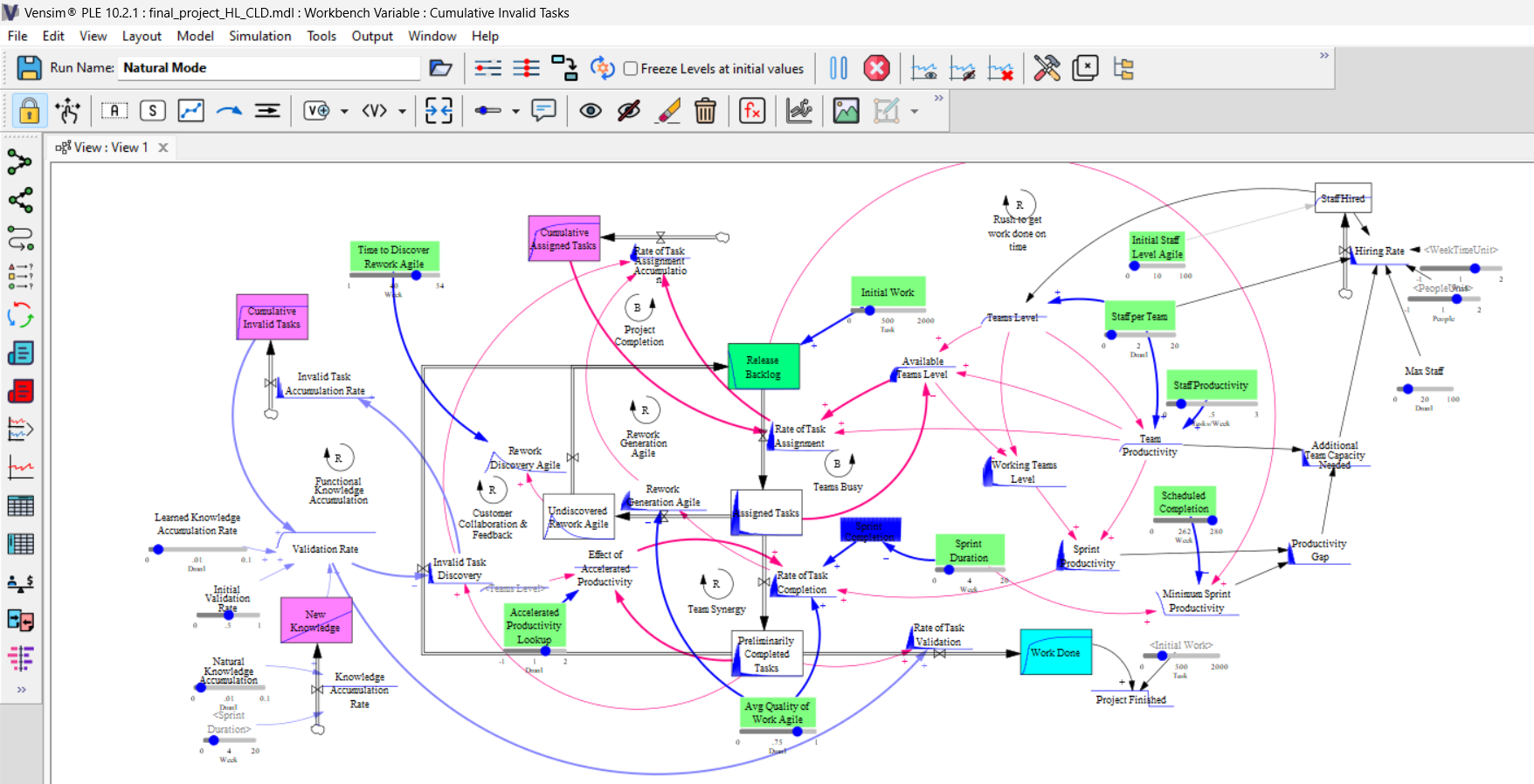
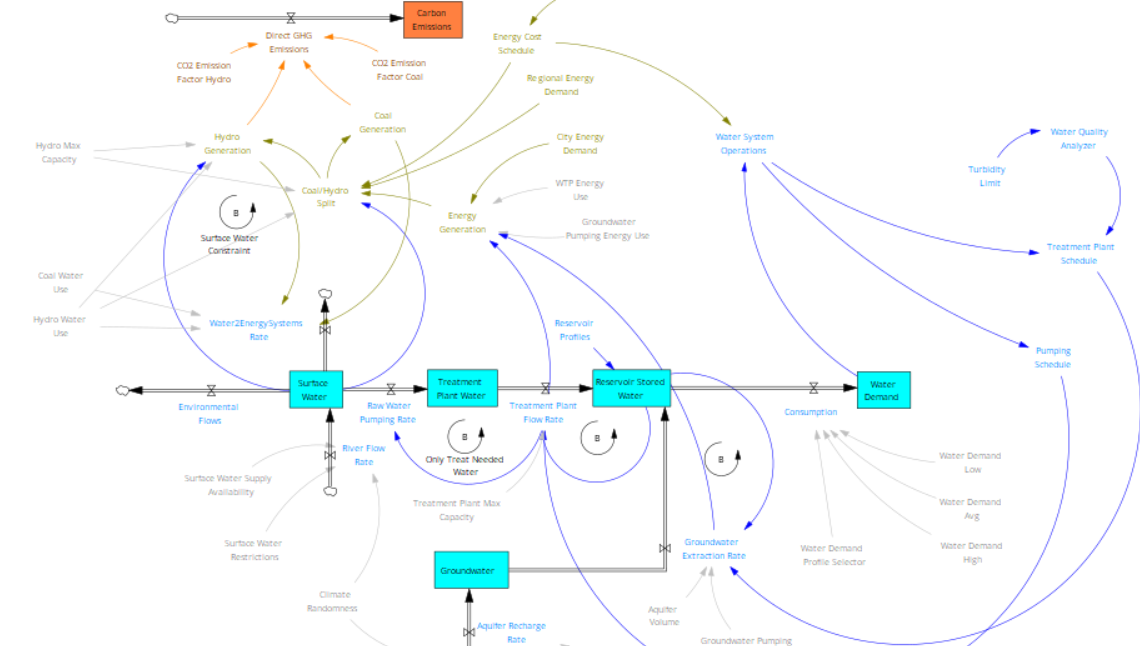
We are trained and specialized in rigorous and mathematically-based tools for implementing thought work. We leverage leading tools for systems thinking such as system dynamics (vensim, stella) and design structure matrices (lattix), and leading software (confluence, notion, loop) and integration to enable and enhance knowledge management practice. Using these tools, we can discover hidden, nonlinear, and complex patterns, feedback cycles, and narratives in your organization. Through translational social research, we can craft actionable strategies that your organization can rally behind and fully embrace.
Services Offered:

  • Systems Thinking (Systems Dynamics in Vensim & Custom Management Flight Simulators)
  • Human-Centered Design Thinking (Design Ethnography, Participatory & Co-Design Generative Workshops, Design as Research)
  • Knowledge Management (Systems, organization, methods, and processes)
  • Translational Research
  • Business Vocabulary, Taxonomy, and Semantics (OWL/RDF)

§06.1.3 /

ARCHITECTURE

Structuring operations, decisions, and value flows.
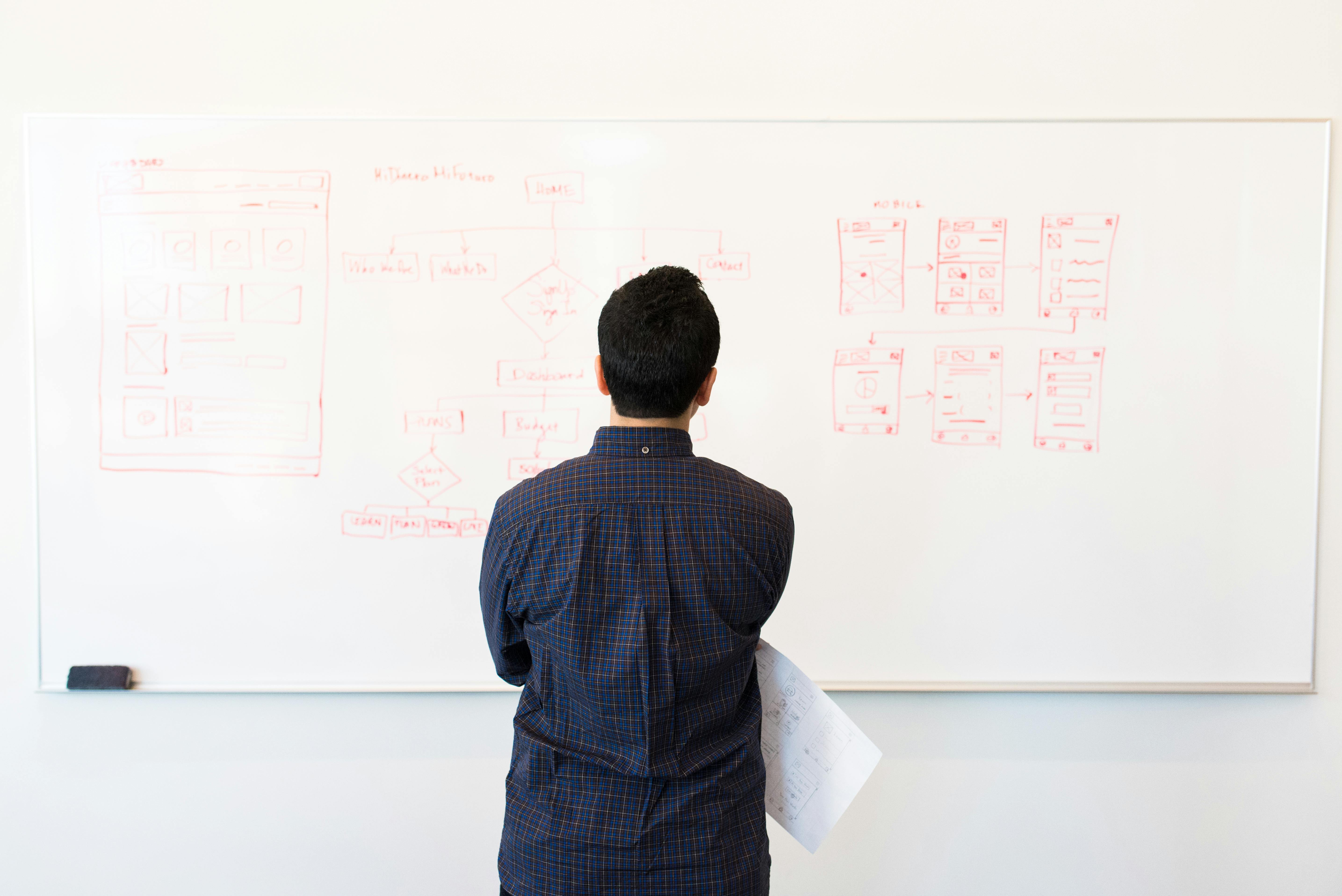

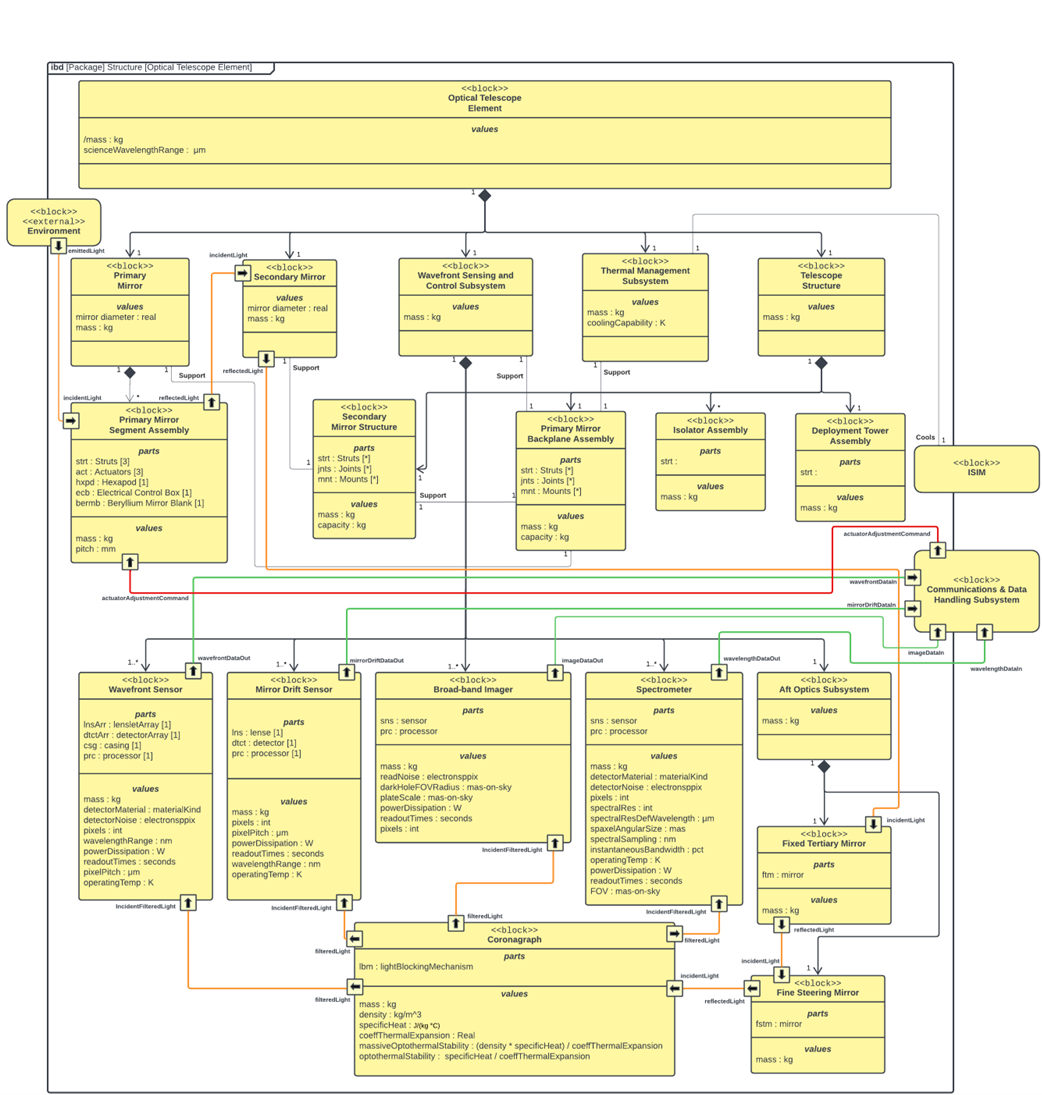
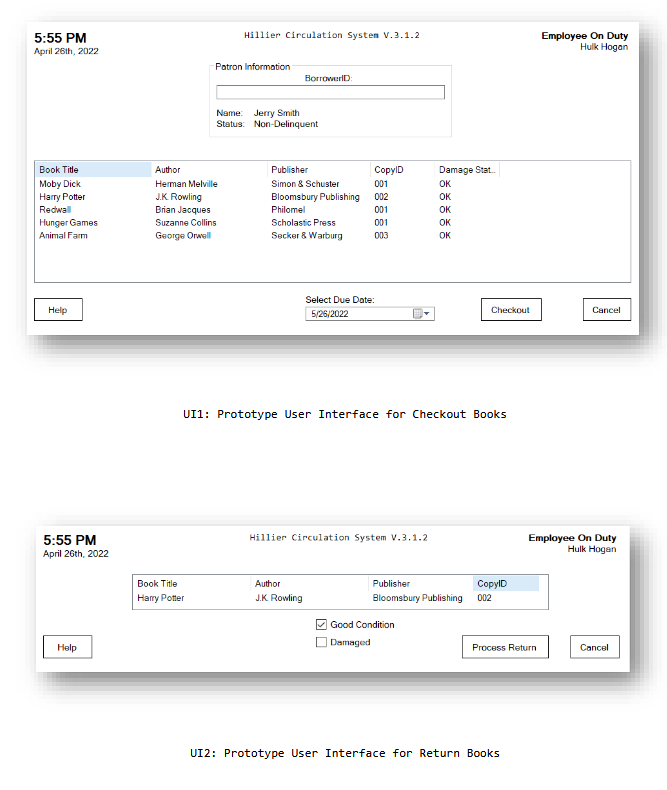
We design and refine enterprise and systems architecture to bring clarity, traceability, and strategic alignment to complex organizations. Using formal meta-modeling standards we map operational logic, decision pathways, and technology structure across the enterprise stack. Our work bridges the gap between strategy and execution by making implicit systems into explicit and contextualized conceptual models—whether modeling value chains, digital transformation blueprints, or mission-critical architectures. We support clients in building architectures that are not only compliant and interpretable, but actionable and performance-driven.

Services Offered:

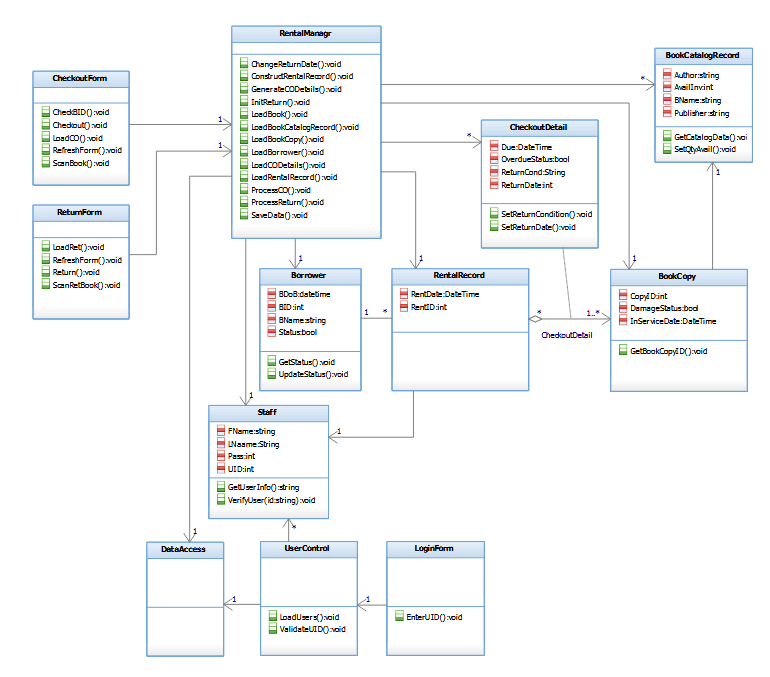
  • UML 2.x (Unified Modeling Language, for general modeling)
  • SysML (Systems Modeling Language, for systems modeling)
  • UAFML (Unified Architectural Framework Modeling Language - for DoDAF, MoDAF, NAF, TOGAF architecture modeling)
  • ArchiMate (For TOGAF architectural modeling)
  • C4 (For generalized architectural modeling)
  • ODM (OWL/RDF) (Ontology Definition Metamodel - for taxonomic & semantic modeling)
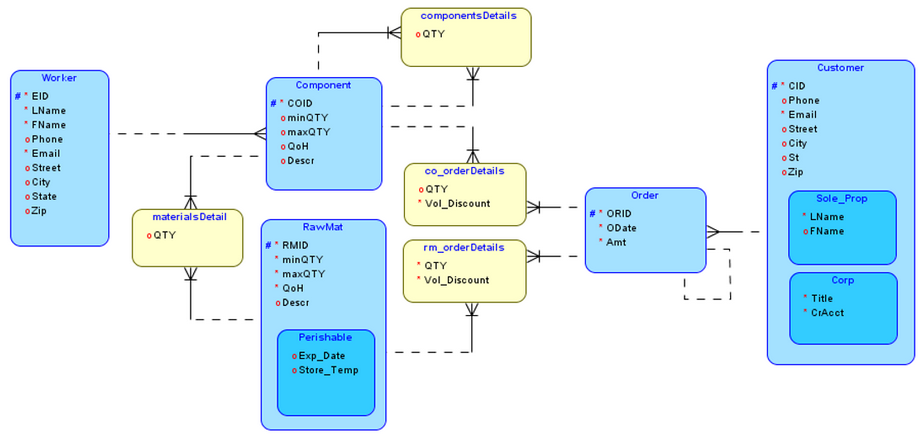
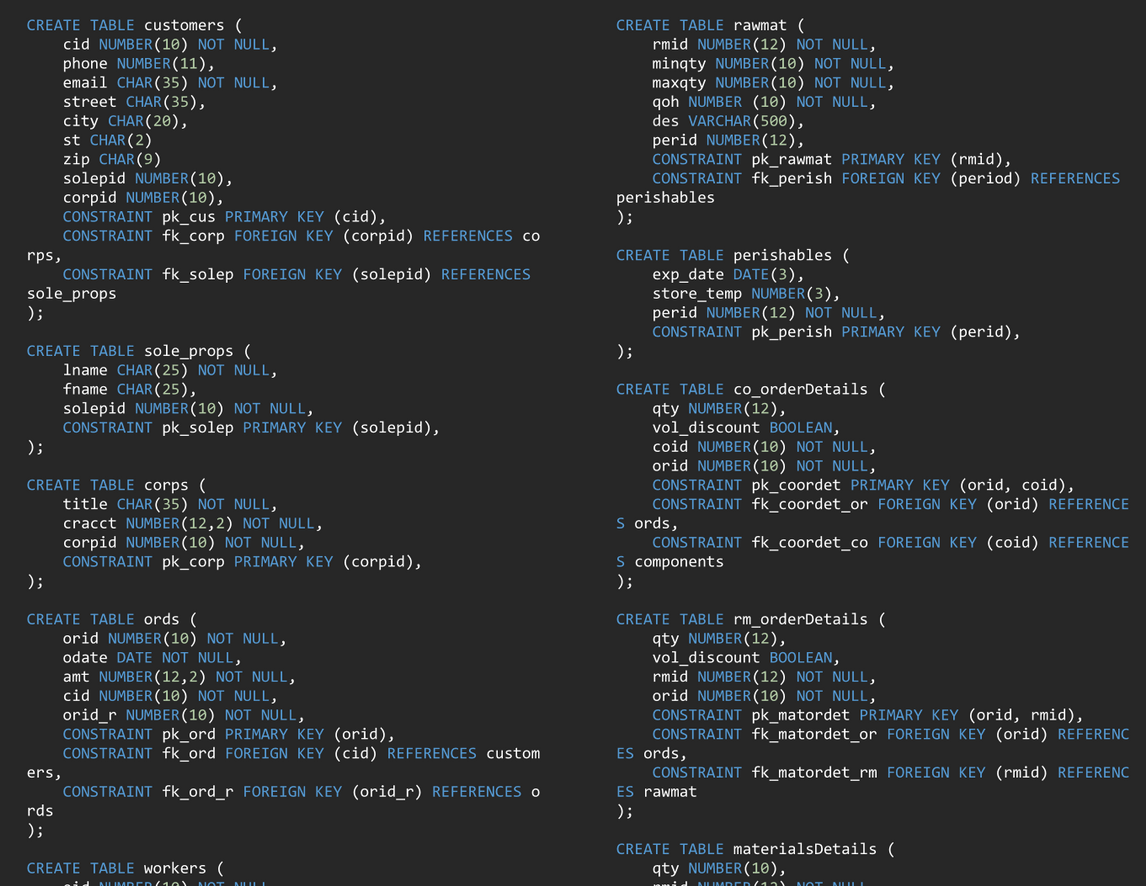
  • ERM (ERD) (Entity Relationship Model - Martin/ISO/UML/Bachman, for DDL & schema engineering)
  • BPMN (Business Process Model & Notation - ISO/IEC 19510, for structured business process management)
  • CMMN (Case Management Model & Notation - for dynamic & ad-hoc process management)
  • DMN (Decision Model & Notation - for decision requirements decomposition)

§06.2 /

EDUCATION

Contextualized, strategy aligned learning. Focus on what matters.


Ground & Form offers education and instructional design services focused on enabling systems literacy, strategic reasoning, and technical fluency. We develop curriculum, training programs, and custom learning experiences that build capabilities in decision systems, enterprise architecture, and applied problem solving. Whether developing asynchronous eLearning or in-depth instructional modules, our approach integrates cognitive science, learning theory, and systems modeling to support transformational capability development.

§06.2.1 /

WORKSHOPS & TRAINING

Experiential and Consequential Learning. Custom Sandbox Environments. Professional Atmosphere.


We deliver custom workshops that empower teams to think across boundaries and design with purpose. Our sessions provide hands-on, practitioner-level training in systems thinking, design thinking, knowledge management, systems development, architectural modeling, and software development methods. Participants leave with conceptual clarity, shared vocabulary, and tools they can apply immediately—grounded in practical use cases and aligned with your organization’s goals. Whether for strategic onboarding, transformation support, or leadership development, our workshops make systemic thinking actionable.

Our pedagogical approach combines a formal, lecture-based approach with experiential, consequential, and guided learning. We provide fundamental concepts and temrinology, but ensure that each workshop leverages principles of social constructionism and a human-centered design thinking approach to meet participants where they're at. We seek to involve participants in the learning by providing a curriculum and teaching style that encourages cross-functional collaboration of participants across roles, teams, departments, and organizational boundaries. We understand that each participant has a unique background. In order to facilitate learning for each participant, we provide accountability for the learning process to participants, to develop ownership over their own learning of the curriculum, what is most important within the content, and how it applies to their own work, role, team, or organization. We enhance training with project-based workshops, centered around real use-cases and work environments, and simulating real client situations developed through ethnographic and participatory action research among course participants and management.

§06.2.2 /

CURRICULUM REVIEW

Objectives that tie to outcomes. Roadmaps for effective cognition. Expert insights.


Ground & Form provides a rigorous, three-step quality assurance process for evaluating educational content and eLearning. Our approach combines learning science, systems analysis, and technical accuracy to ensure materials meet both instructional and operational standards:

  • Objectives Review & Meta-Analysis: We evaluate alignment between instructional goals, outcomes, and cognitive intent—ensuring clarity and coherence across the curriculum.
  • Knowledge Abstraction & Cognitive Analysis: Using Revised Bloom’s Taxonomy, we assess knowledge structures, cognitive levels, and sequencing logic to ensure learners progress meaningfully through levels of understanding.
  • Technical & Expert Review: We perform a detailed technical validation and usability check, integrating subject-matter expert feedback, accessibility compliance, and performance readiness.

This process supports high-quality learning products that are scalable, standards-aligned, and built for real-world performance.